February 26, 2026
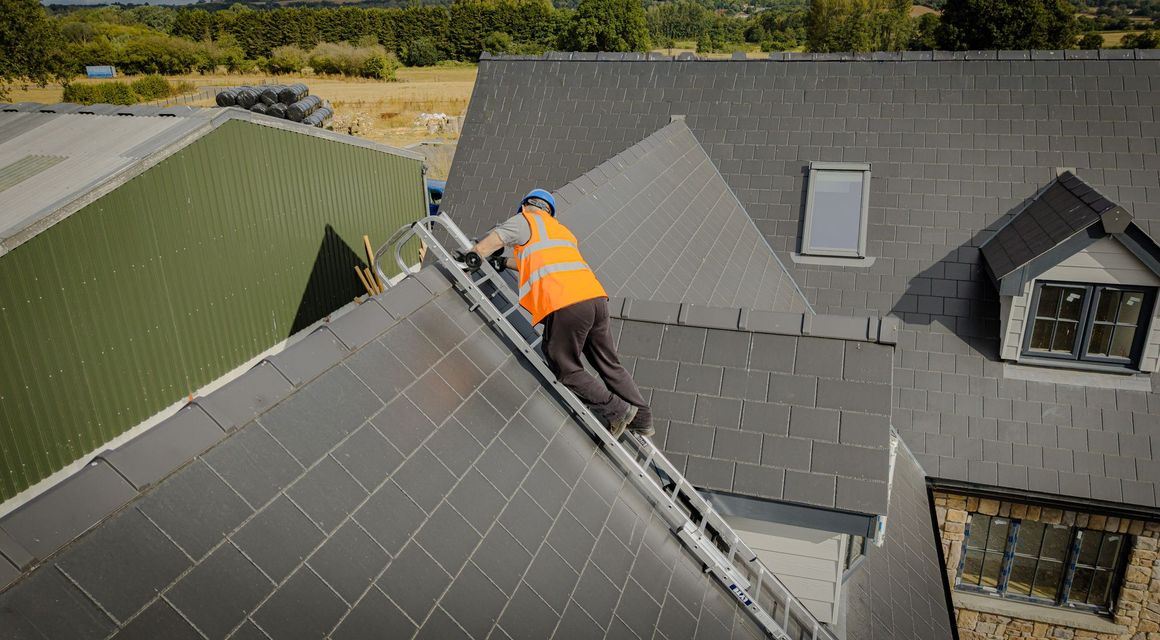
When choosing a professional ladder, most people focus on height, material and load rating. However, one detail is often overlooked: The shape of the rung. It might seem minor, but in reality, rung profile has a direct impact on comfort, fatigue and suitability for prolonged trade use. In this guide, we explain the difference between square rung ladders and D-shaped rungs , and why rung design matters more than you might think. What Is a Square Rung Ladder? Square rung ladders use rungs which have flat faces and defined corners. When the ladder is stored vertically, the rung appears level and square. However, ladders are not climbed vertically. Following the HSE 1-in-4 rule , they are typically positioned at approximately a 75-degree working angle . At this climbing angle, something important happens. The foot does not rest on the flat face of the square rung. Instead, it often rests on the corner edge of the square profile. This changes how pressure is distributed through the sole of the foot. Why Rung Shape Matters at a 75-Degree Angle When positioned correctly against a structure, a ladder leans forward at a 75-degree angle. This means the user’s weight transfers onto the leading edge of the rung. With square rungs: The corner edge becomes the primary contact point The surface area under the foot is reduced Pressure is concentrated rather than distributed For very short climbs, this may not be noticeable. However, for repeated climbs, prolonged standing or trade work involving tools and materials, the difference becomes more apparent. Reduced surface contact can increase foot fatigue and discomfort over time. This is particularly relevant for: Building work Maintenance tasks Electrical installations Facilities management Repeated daily ladder use The Design of D-Shaped Rungs Lyte ladders use D-shaped rungs specifically to address this issue. A D-shaped rung presents a broader, flatter stepping surface when the ladder is positioned at its correct working angle. This means: A greater portion of the foot makes contact with the rung Weight is distributed more evenly Pressure points are reduced Standing comfort is improved Rather than resting on an edge, the foot rests on a shaped surface designed for climbing ergonomics. For professional users who spend more than “two minutes up and down”, this matters. Comfort and Fatigue in Professional Environments Professional ladder users rarely climb once and come down: They climb repeatedly. They carry tools. They pause mid-task. They reposition. They work at height for longer periods. Small design differences can compound over the course of a working day. Comfort is not a luxury feature. It is part of fatigue management. Reduced fatigue could contribute to: Better balance More secure footing Improved confidence at height Lower likelihood of rushed descent This is why rung profile is considered carefully in professional ladder design. Are Square Rung Ladders Unsafe? Square rung ladders are used in various markets and applications. The key consideration is suitability. For occasional, light-duty access tasks, square rungs may be acceptable. For frequent, professional or industrial use, rung ergonomics become far more important. At Lyte, our ladders are designed specifically for trade and industrial environments. That includes: Repeated daily use Load carrying Outdoor exposure Extended standing time Rung profile is part of that design philosophy. Design Choices Reflect Intended Use When selecting ladder equipment (ideally for low-risk, short duration tasks), it is important to consider: Frequency of use Duration of use Environment Load being carried User comfort over time Not all ladders are designed for the same application. Lyte ladders are engineered with professional users in mind, and D-shaped rungs form part of that approach. When evaluating ladders, small details often reveal the intended market. Rung shape may seem minor at first glance, but at a 75-degree working angle, it changes how your foot contacts the ladder entirely. For professional environments where ladders are climbed repeatedly and used for extended periods, comfort and load distribution matter. Choosing purpose-designed equipment helps ensure the ladder supports the user, not the other way around.