
Podium vs Step Ladder: Which Is Safer for Facilities Work?
Neither a podium nor a step ladder is automatically the safest option for every facilities task.
A professional step ladder may be suitable for low-risk, short-duration work when it can be positioned securely and the user can work without overreaching or applying significant side loads. A podium should be considered where the task requires a more protected working platform, greater freedom of movement, repeated access or both hands for more than a brief period.
The final choice must be based on a task-specific risk assessment, the working environment and the competence of the person using the equipment.
Facilities teams regularly need access for lighting maintenance, ceiling inspections, cleaning, decorating, HVAC servicing and general repairs. Although these jobs may appear routine, each one presents different risks.
Start with the risk assessment, not the clock
The Work at Height Regulations 2005 require employers and those controlling work at height, including facilities managers and building owners, to ensure that work is properly planned, supervised and undertaken by competent people using suitable equipment.
Before selecting equipment, consider whether the task can be completed from ground level. If work at height cannot be avoided, choose equipment that prevents a fall as far as reasonably practicable.
HSE says ladders can be a sensible option for low-risk, short-duration tasks, but they should not automatically be the first choice. If a task would require someone to remain on a ladder or step ladder for more than 30 minutes at a time, HSE recommends considering alternative equipment. It also makes clear that duration alone does not decide whether ladder use is acceptable.
Step ladder, WideStep or Podium: What is the difference?
| Equipment | Principal characteristics | May be appropriate when |
|---|---|---|
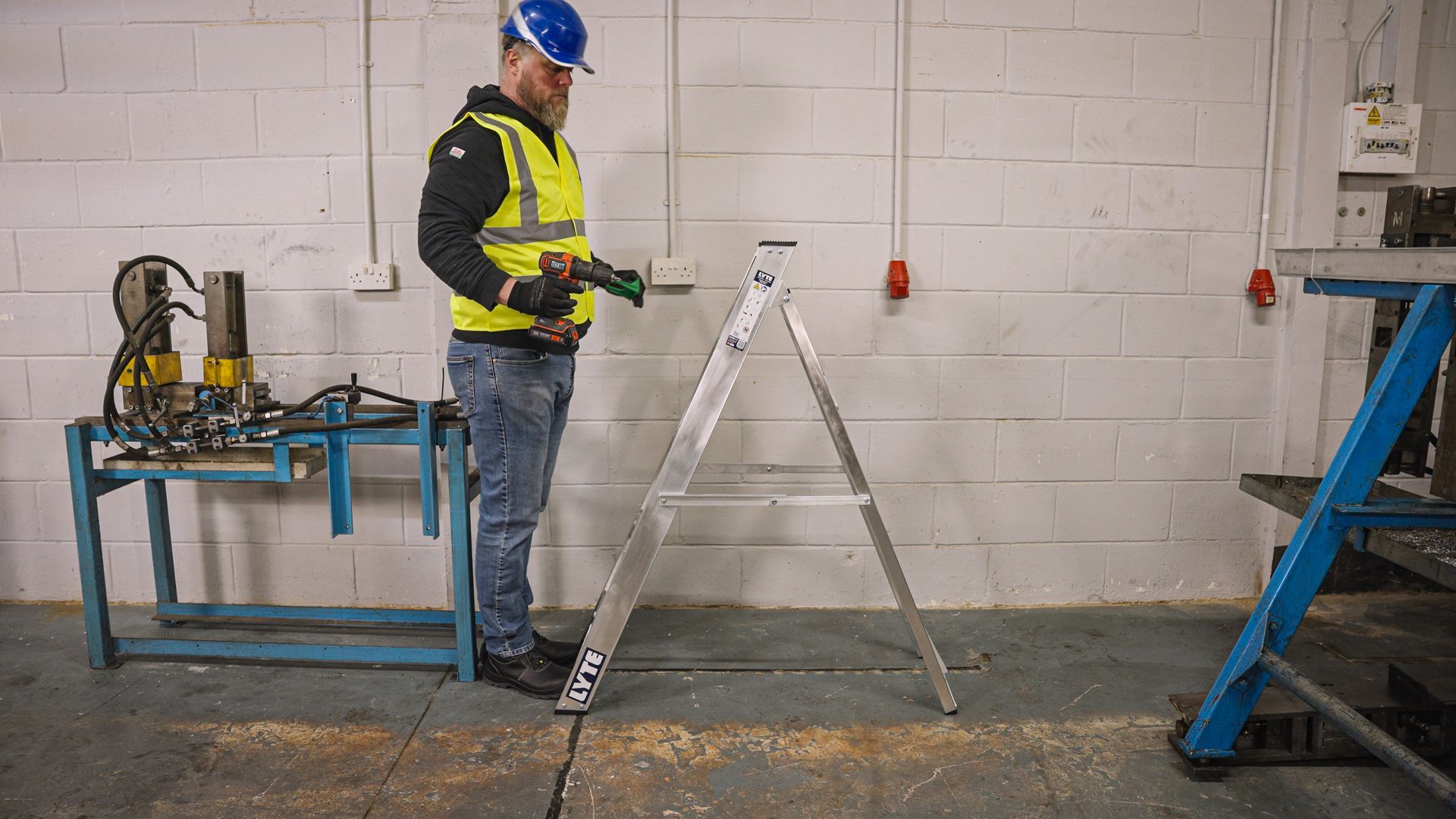
| Swingback step ladder | Compact, portable and quick to position | The work is low risk and short duration, requires only light tool, and the user can work safely without standing on the top 3 treads |
| Platform step ladder | Compact, portable and quick to position, with a standing platform and support rail | The work is low risk and short duration, requires only light tools and allows the user to maintain a stable working position |
| WideStep platform ladder | Larger step ladder with wider treads, a larger platform, handrails and a safety gate | More standing space and support are required, but the risk assessment still supports the use of a step ladder |
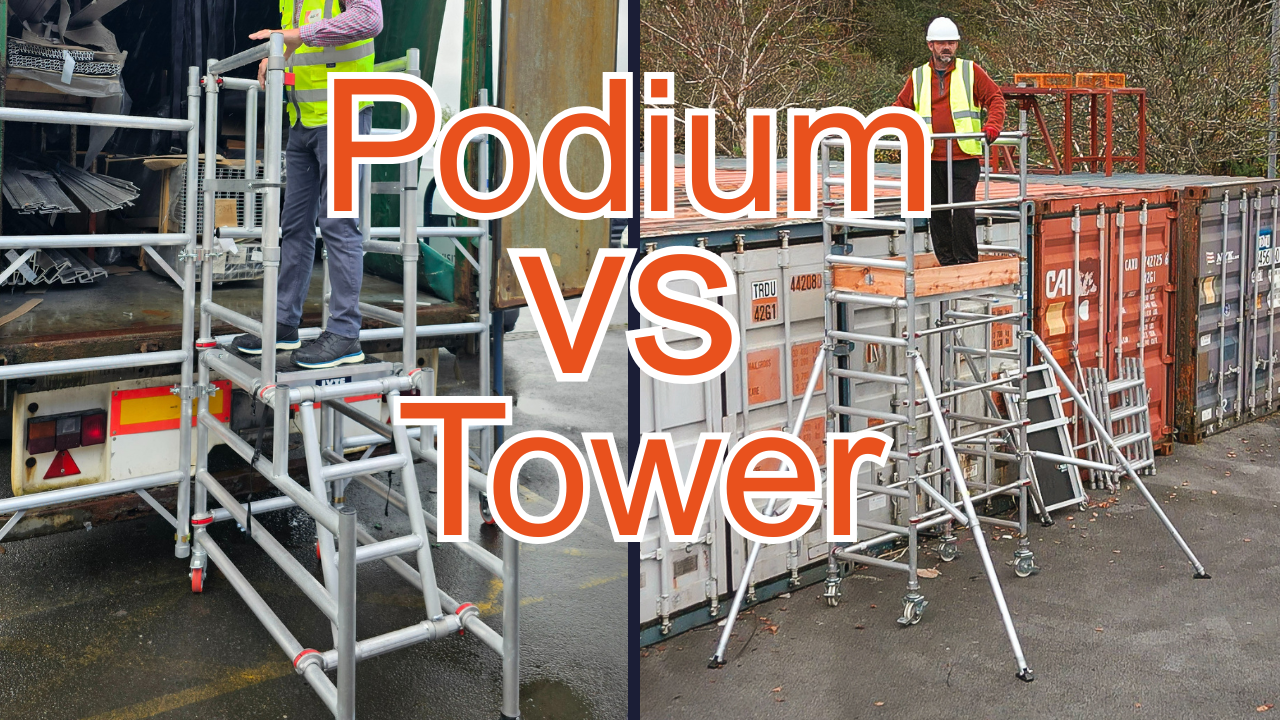
| Podium step | A guarded working platform designed for low-level access | The task requires a more enclosed working area, repeated access, greater movement or both hands for more than a brief period |
When might a step ladder be suitable?
A step ladder may be appropriate when the risk assessment shows that the task is low risk and short duration and that equipment offering greater fall protection is not justified. Typical step ladder options include swingback (A-frame) step ladders, or platform step ladders with a standing platform and support rail.
Before use, check that:
- All four feet will be in contact with firm, level ground.
- The step ladder is fully opened and its locking devices are engaged.
- It is the correct height, allowing the user to work without stretching or overreaching.
- The task involves only light tools and materials.
- Significant side loading, such as forceful sideways drilling, can be avoided.
- The user can maintain three points of contact at the working position.
- Doors, vehicles, pedestrians and other activities cannot strike or destabilise the equipment.
- The user is competent and has completed a pre-use check.
HSE defines three points of contact on a step ladder as two feet and one hand. If both hands must be free briefly, the user should have two feet on the steps and their body supported by the step ladder.
Possible facilities-management applications include a brief visual inspection, a straightforward adjustment or a light maintenance task. However, the task description alone does not establish that a step ladder is suitable. For example, replacing one easily accessible ceiling tile may present a different risk from replacing tiles repeatedly along a corridor.
When should a podium be considered?
A podium may provide a more appropriate working position where an operative needs:
- A guarded working platform.
- Both hands for the task for more than a brief period.
- More room to change working position without overreaching.
- Repeated access during a maintenance programme.
- A more enclosed working area in a busy facilities environment.
- Greater stability for a task involving tools or materials, within the equipment’s rated load.
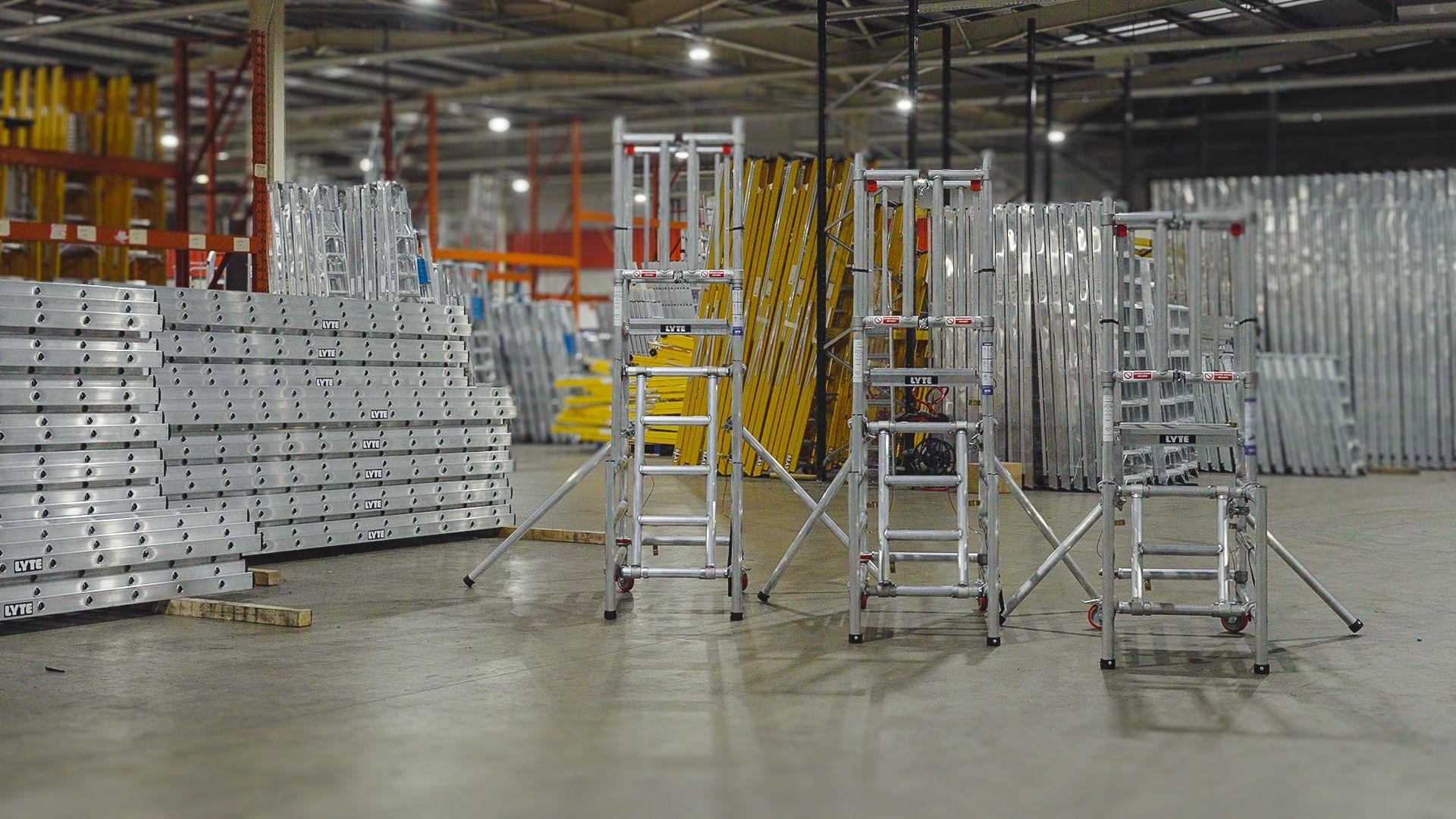
The LytePod Podium Step provides two adjustable platform heights, saloon-style access gates, non-removable stabilisers and a fully enclosed working area. It folds for storage and has rear wheels to assist with transportation.
The LytePod has a maximum load of 150 kg and is tested to BS 8620. Its guarded platform can make it more suitable than a conventional step ladder for longer, repetitive or two-handed tasks, subject to the risk assessment and manufacturer’s instructions.
Where does the WideStep fit?
The WideStep sits between a conventional platform step ladder and a podium in terms of working space and support.
It is a step ladder featuring:
- An extra wide platform.
- Wide anti-slip treads.
- Handrails and a folding safety gate for a 360 degree working area.
The handrails provide additional support while climbing and working, while the wider platform gives the user more room to maintain a stable position. These features do not remove the need to avoid overreaching, side loading or unsuitable working conditions.
Practical equipment selection checklist
Before choosing a step ladder, WideStep or podium, ask:
- Can the work be completed safely from ground level?
- What platform or standing height is required?
- How long will the person remain at the working position at one time?
- Will the task be repeated across several locations?
- Does the user need both hands for more than a brief period?
- Will the work create sideways force or require overreaching?
- What tools and materials must be carried?
- Is the floor firm, level and free from contamination?
- Are there electrical hazards?
- Could doors, vehicles, members of the public or other workers affect the equipment?
- Is the equipment suitable for the user and within its maximum load?
- Has it passed its pre-use check and any required formal inspection?
- Is the user competent to select, inspect and use it?
Which is safer for facilities work?
A podium will commonly provide more fall protection than a conventional step ladder because it has a guarded working platform. That does not mean a podium is required for every job or that it will be suitable in every location.
For a brief, light and low-risk task, a professional step ladder may be the proportionate choice. Where the work is repetitive, involves both hands, requires more movement or would keep the user at the working position for longer, a podium or another suitable platform should be considered.
The safest equipment is the equipment selected through a suitable risk assessment, correctly inspected and used by a competent person in accordance with the manufacturer’s instructions.
Explore the relevant ranges
For help selecting access equipment for a facilities operation, contact sales@lyteladders.co.uk
Frequently asked questions:
Is a podium safer than a step ladder?
A podium normally provides greater fall protection through its guarded working platform. However, the safest equipment depends on the task, working environment, duration, required movement and findings of the risk assessment.
Is there a 30-minute legal limit for using a step ladder?
No. Thirty minutes is an HSE guide, not a legal time limit. HSE recommends considering alternative equipment if a task requires someone to remain on a ladder or step ladder for more than 30 minutes at a time. Risk must be assessed first.
Can a step ladder be used for two-handed work?
HSE says three points of contact should be maintained at the working position. Both hands may be free for a brief period if both feet are supported and the user’s body is supported by the step ladder. A podium may be more suitable where two-handed work continues for longer.
What standard applies to professional step ladders?
EN 131 is the relevant product standard for portable ladders and steps. Lyte’s professional MagnaStep platform and WideStep ladders are certified to EN 131 Professional.
What standard applies to podium steps?
BS 8620 specifies requirements for low-level work platforms with one working platform and side protection for use by one person.