
How to Choose the Right Step Ladder Height | Working Height Guide
Choosing a step ladder is often treated as a simple question of size.
Some people ask for a 4-tread, 6-tread or 8-tread model because that is what they have used before. Others compare the overall height of the ladder when it is open.
Neither measurement tells you, on its own, whether the ladder will allow you to work comfortably and safely at the height required.
The most useful measurement is usually the approximate working height.
This guide explains what working height means, how it differs from open height and tread count, and how to use it when comparing different types of step ladder.
What height step ladder do I need?
The right step ladder is one that allows you to reach the work area from an approved standing position, without overstretching or standing higher than permitted.
To choose the correct size, start with the height of the task. Ask:
How high above the ground do I need to work?
You can then compare that requirement with the approximate working height shown for each ladder.
This is more useful than starting with a preferred tread count because two ladders with the same number of treads may not provide the same standing height or working height.
What is approximate working height?
Approximate working height is an estimate of the height a typical user may be able to reach while standing at the ladder’s maximum permitted standing level.
It is generally calculated as:
Maximum standing height plus an assumed average user height.
For Lyte product information, the approximate working height is based on an average user height of approximately 1.75 metres.
It is a guide rather than a guarantee. Actual reach will vary according to:
- the user’s height
- arm reach
- posture
- the type of task
- the position of the ladder
- whether the work can be completed without leaning or stretching
The ladder should still allow the user to work in a stable, comfortable position.
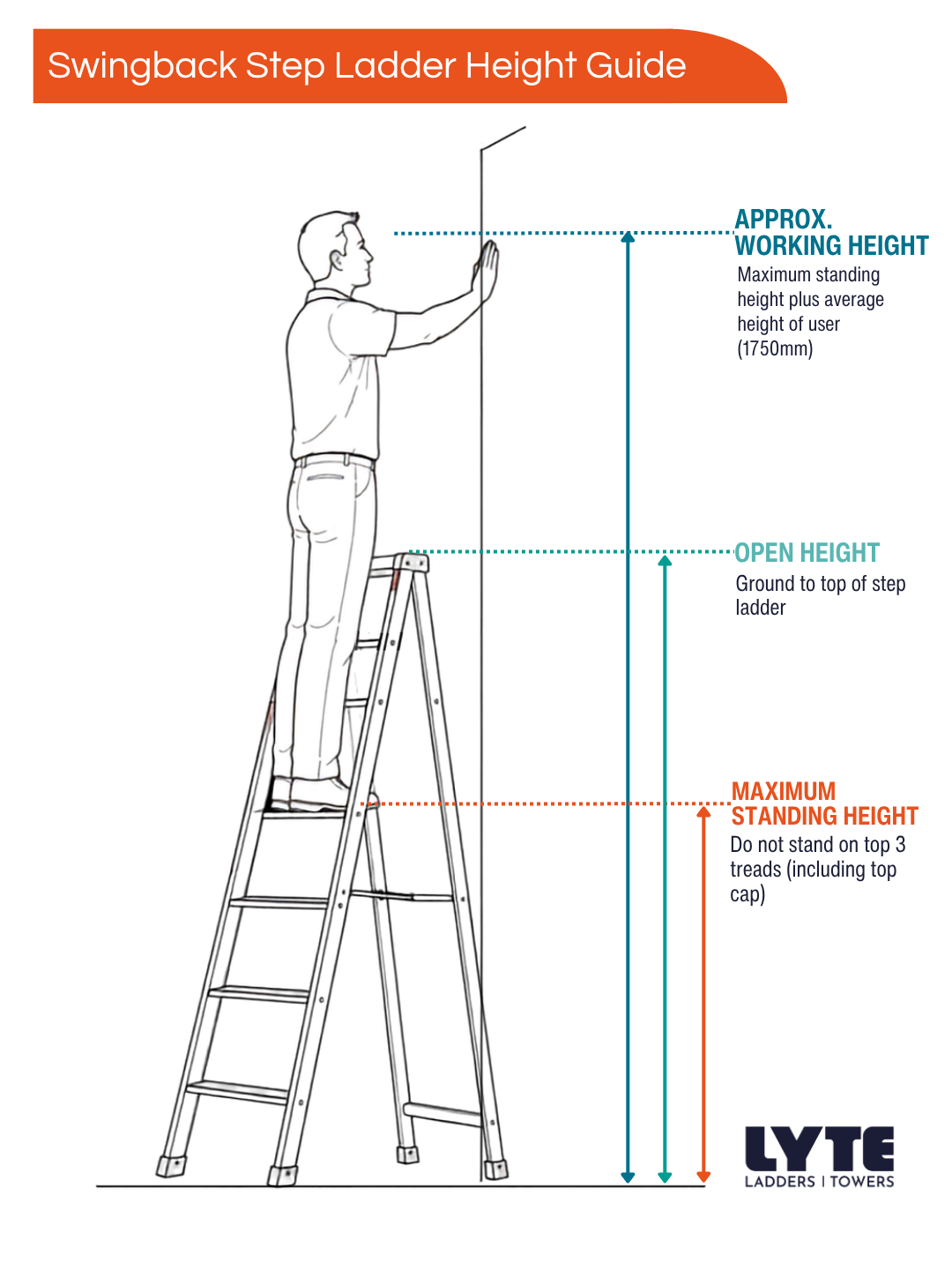
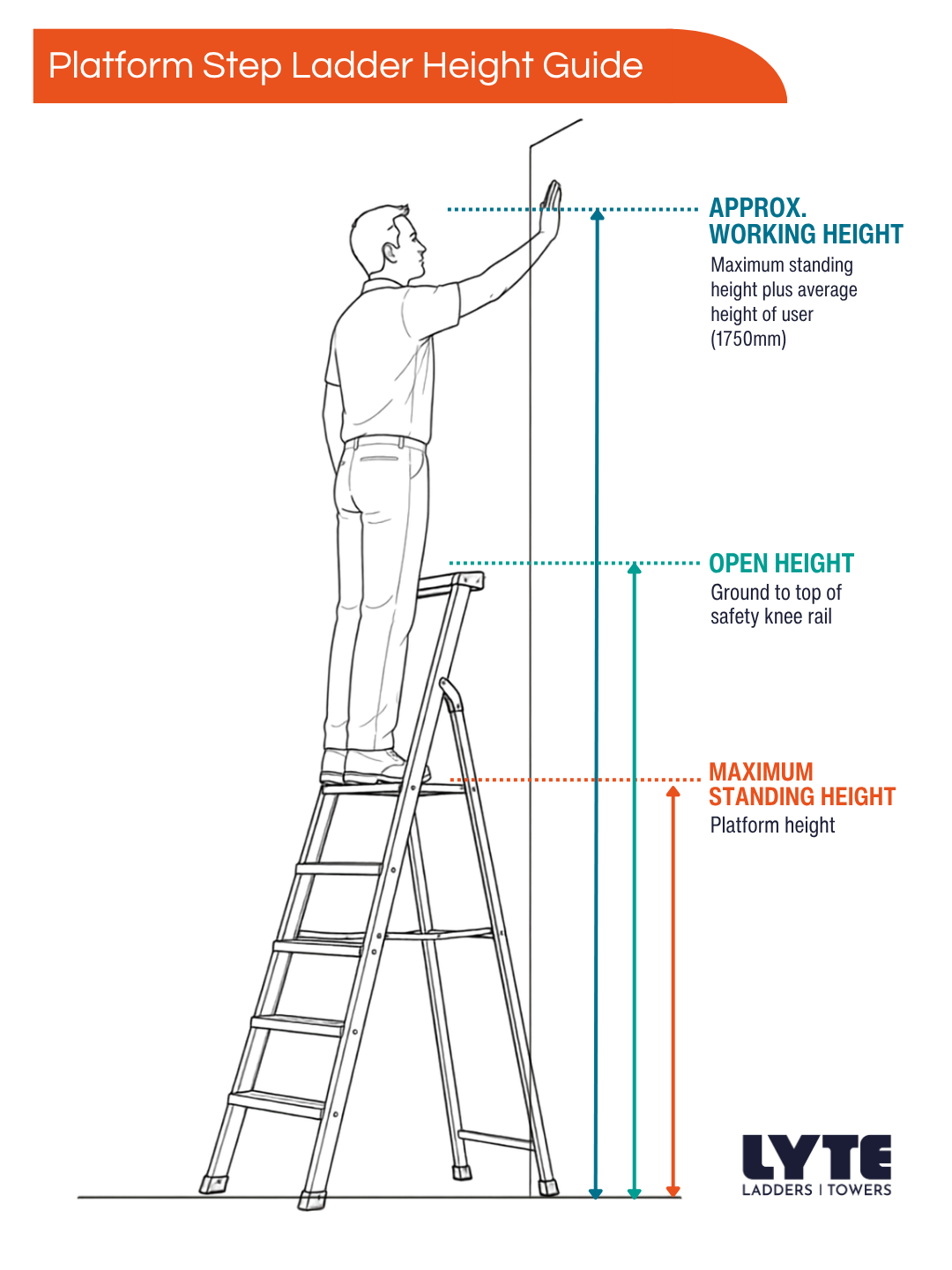
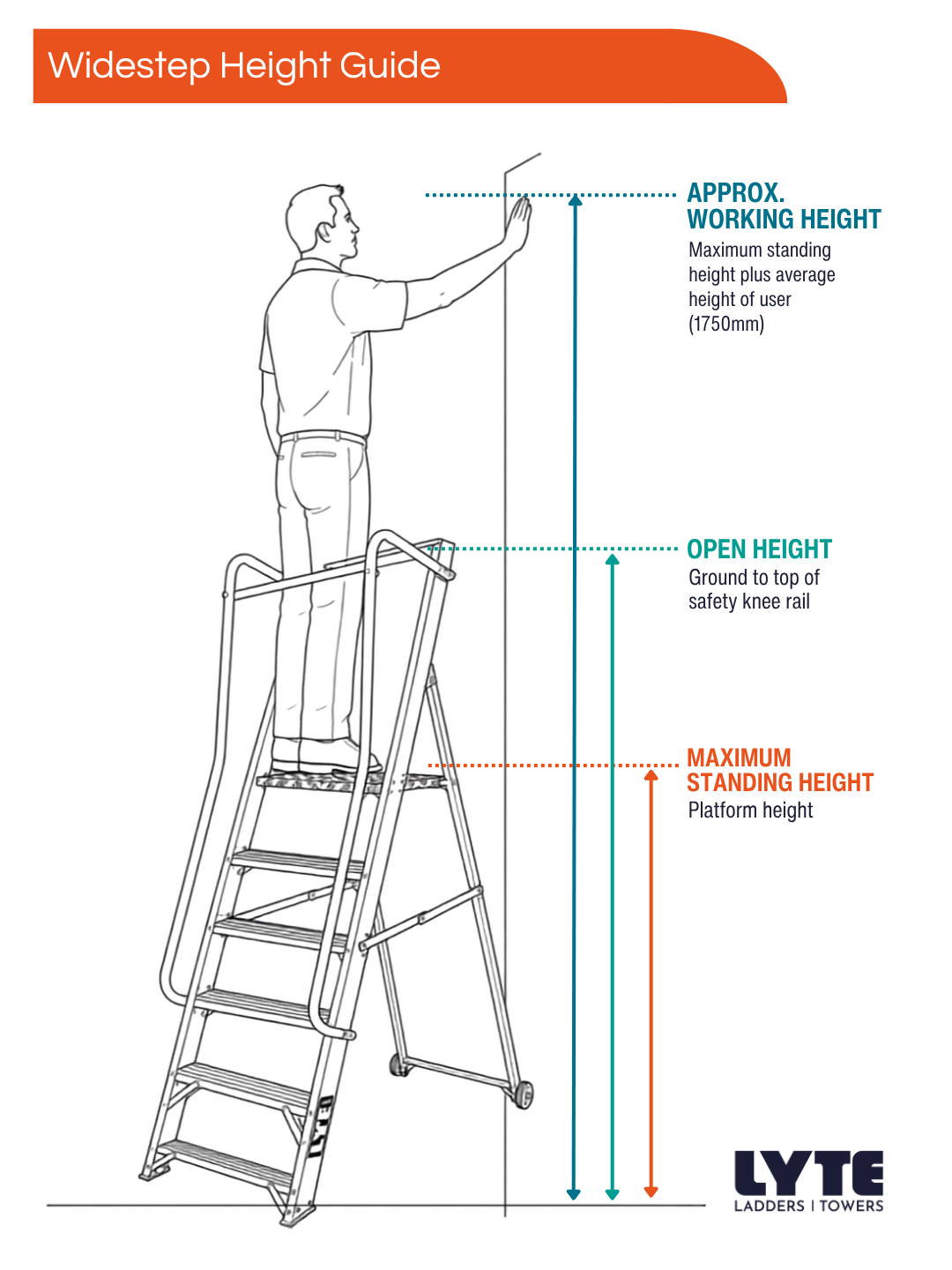
Working height, standing height and open height explained
These measurements describe different parts of the ladder and should not be used interchangeably.
Approximate working height
The estimated height a user may be able to reach while standing at the highest permitted standing level.
This is normally the most helpful measurement when selecting a ladder for a particular task.
It is approximate, as it's based on the 1.75m average height of ladder users. Bear your own height in mind when reviewing this.
Maximum standing height
The height from the ground to the highest level on which the user is permitted to stand. The standing position depends on the ladder design.
For example:
- On a widestep or platform step ladder, the platform is normally the standing surface.
- On a swingback step ladder, the user must remain below the 3 top treads (including the top cap / tool tray).
Open height
The vertical height from the ground to the top of the ladder when it is fully opened.
Depending on the product, this may be measured to the:
- top cap / tool tray
- hand / knee rail
Open height describes the physical size of the ladder. It does not necessarily show how high the user can stand or work.
Tread count
The number of treads (including platforms) incorporated into the ladder.
Tread count can be useful when identifying a product, but it should not be relied upon as the main height measurement.
Why tread count is not a reliable measure of reach
Tread spacing is not identical across every ladder range or manufacturer.
A 6-tread ladder from one range may therefore provide a different standing height from another 6-tread ladder.
For example, the MagnaStep 6 tread swingback aluminium step ladder is 160mm taller than the previous Lyte 6 tread model.
The way treads are counted can also vary by product design. On some ladders, the top cap or tool tray may be included in the stated tread count, whereas other manufacturers might exclude this.
This means replacing an existing ladder with another model of the same tread count does not guarantee the same:
- standing height
- working height
- overall footprint
The tread count should be treated as a product reference, not as a complete height specification.
How to choose a step ladder by working height
Identify the height of the work
Measure or estimate the height of the area you need to reach.
Examples might include:
- a ceiling
- shelving
- lighting
- pipework
- cabling
- guttering
- signage
- warehouse racking
Use the height of the actual work area rather than the height of the room or building.
Consider the nature of the task
Reaching a surface briefly is different from carrying out detailed work for an extended period.
A task involving both hands, tools or repetitive movement may require a more supportive working at height position than a quick visual inspection.
Check the maximum standing height
Confirm the highest level on which the user may stand.
- On a swingback step ladder, the 3 top treads are not to be climbed or stood on.
- On platform and widestep designs, the user stands on the designated platform.
Compare the approximate working height
Choose a ladder with a stated working height that matches the task.
Avoid selecting a ladder that only allows the user to reach the work by:
- standing above the permitted level
- stretching upwards excessively
- leaning sideways
- standing on tiptoes
- moving away from the centre of the ladder
Check the open dimensions and footprint
Once the working height is suitable, confirm that the ladder will fit the intended environment.
Consider:
- available floor space
- ceiling height
- doorways
- storage
- transport
- nearby obstacles
- the surface on which the ladder will stand
Working height helps you choose the reach.
Open dimensions help you determine whether the ladder is practical for the location.
Check closed height to ensure it is suitable for storage and transport, as the closed height is often greater than the open height.
Which type of step ladder should I choose?
The required height is only one part of the decision. The ladder design should also match the task.
List of Services
- Swingback Step Ladder
List Item 1
Swingback steps are a straightforward option for short-duration work where compact storage and easy handling are important.
The user stands below the top 3 treads of the ladder, so the maximum standing height is lower than the open height.
They are commonly used for:
- general maintenance
- decorating
- inspection work
- trade tasks
- access in restricted spaces
When selecting a swingback ladder, pay particular attention to the stated maximum standing height.
- Platform Step Ladders
List Item 2
Platform steps provide a designated standing platform and a safety knee rail.
They can be well suited to tasks where the user needs to stand at one height for longer periods.
Typical applications include:
- maintenance
- electrical work
- facilities management
- stock handling
- decorating
For this type of ladder, the platform height is the maximum standing height.
- Widestep Ladders
List Item 3
Widestep models provide a larger platform and wider treads, with handrails and an enclosed working position.
They may be suitable where the user needs:
- greater foot space
- easier climbing
- increased support
- a more comfortable standing position
- longer working periods
Again, the platform height determines the maximum standing height, while the top of the safety rail determines the open height.
Example: Choosing between two 6-tread ladders
Two step ladders are both described as 6-tread models.
Ladder A has:
- a smaller tread pitch (the space between the treads)
- a lower maximum standing height
- a lower approximate working height
Ladder B has:
- a greater distance between treads
- a higher maximum standing height
- a higher approximate working height
Although the tread count is the same, they do not provide the same reach.
Someone who chooses solely by tread count could select a ladder that is either too short for the task or larger than necessary.
Comparing working height avoids this problem.
Check out the size difference between the taller MagnaStep models compared to Lyte's previous models of the same 6 tread count:
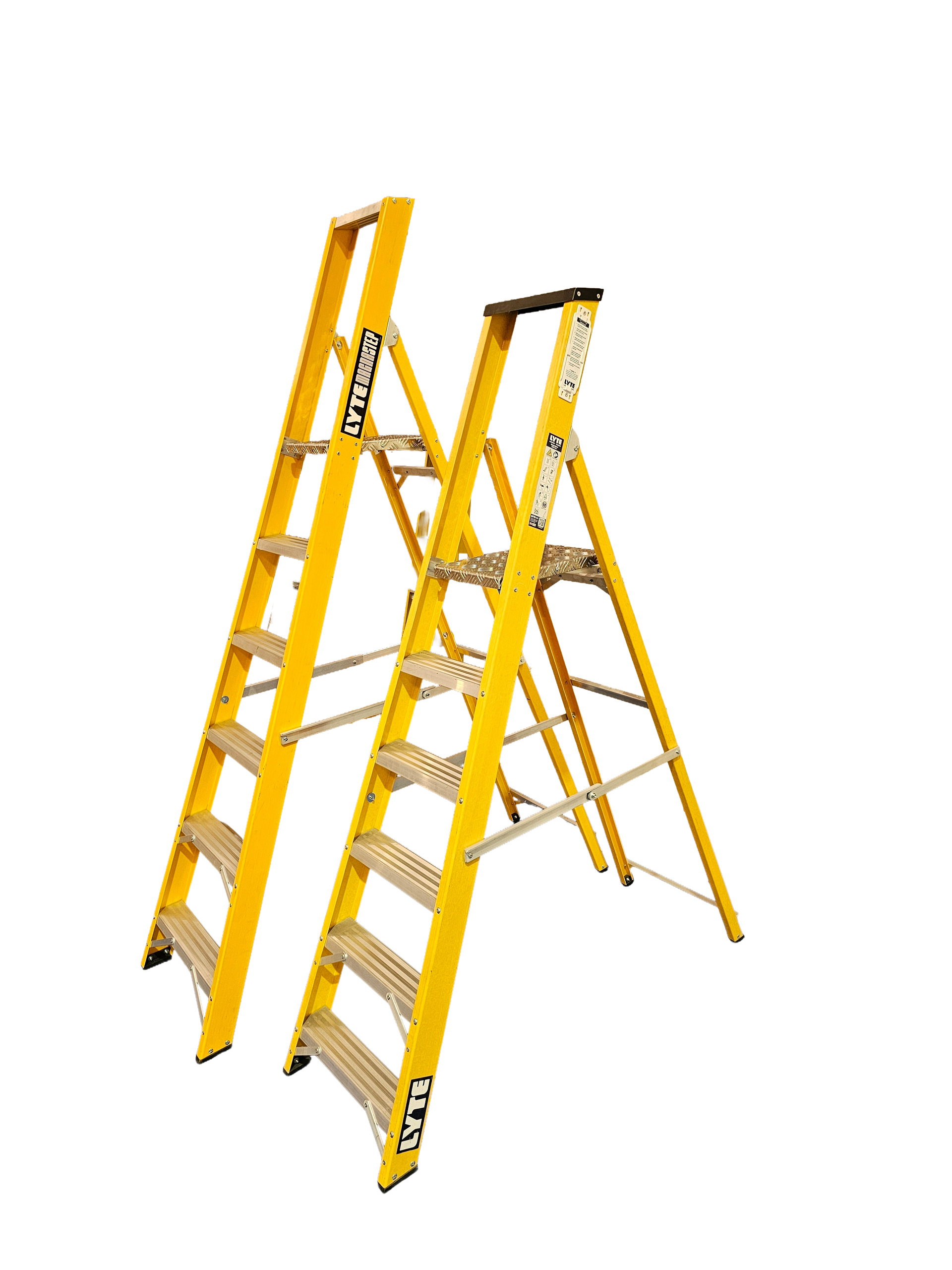
Platform Step Ladder
The MagnaStep version is 242mm taller than the previous Lyte 6 tread model.
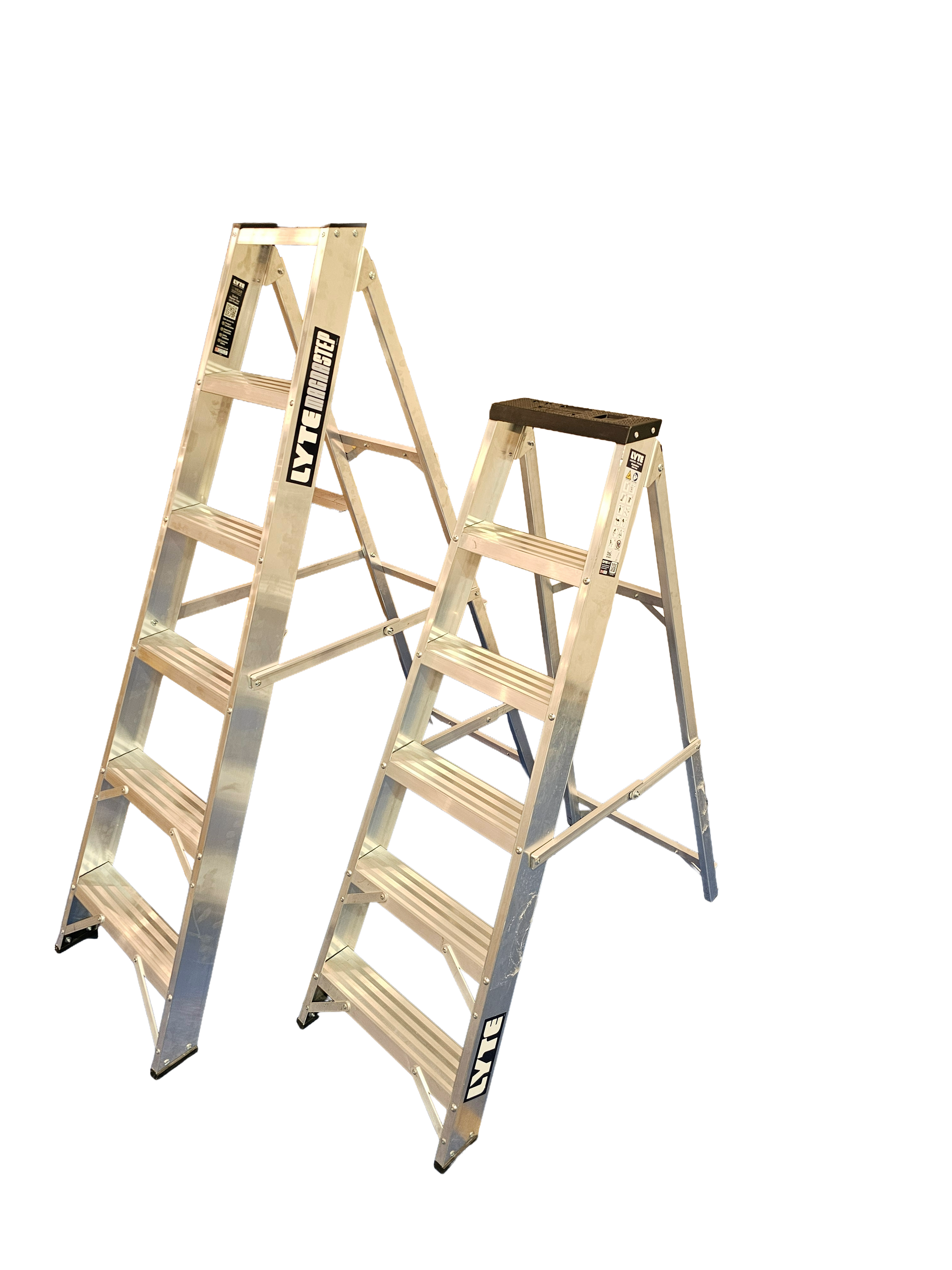
Swingback Step Ladder
The MagnaStep version is 160mm taller than the previous Lyte 6 tread model.
Step ladder height checklist
Before selecting a ladder, confirm:
- the height of the work area
- the approximate working height of the ladder
- the maximum permitted standing height
- the position of the standing surface
- the open height
- the open footprint
- the available working space
- the type and duration of the task
- whether handrails or a platform would be beneficial
This approach gives a more accurate comparison than using tread count alone.
Choose the working height first. Then choose the ladder design.
Find the right height for the job
Compare the maximum standing height, open height and approximate working height across the MagnaStep range before choosing your ladder.
Frequently asked questions
Is working height the same as ladder height?
No.
Ladder height normally refers to the physical height of the ladder, while working height estimates how high a user may be able to reach from the permitted standing position.
Is open height the same as standing height?
No.
Open height is measured to the top of the opened ladder. Standing height is measured to the highest level on which the user is permitted to stand.
How is step ladder working height calculated?
It is generally based on the maximum standing height plus an assumed average user height. The figure remains approximate because individual reach varies.
Does a higher tread count always mean a greater working height?
Not necessarily.
Tread spacing, product design and the way the treads are counted can all affect the final standing and working heights.
Can I stand on the top tread of a swingback step ladder?
No. The top 3 treads of a swingback ladder are not intended as standing positions. Always follow the markings and instructions supplied with the ladder.
Is platform height the same as maximum standing height?
On a platform step ladder or widestep, the platform height is generally the maximum standing height.
Which measurement should I use when buying a step ladder?
Start with approximate working height, then confirm the maximum standing height, open dimensions and ladder design are appropriate for the task.